.png)

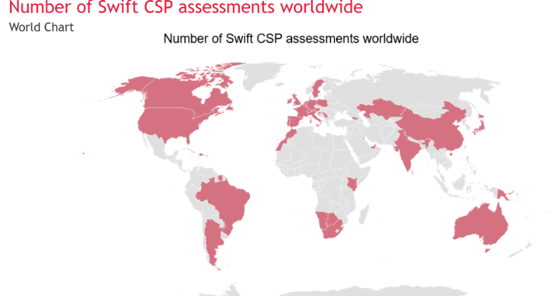
The main goal of the Swift Customer Security Programme (CSP) initiative is to strengthen the security of the global financial community. For financial institutions, the CSP is becoming increasingly important in risk and compliance programmes because it creates value beyond mere compliance by helping improve security hygiene.
So what changes with CSCF v2026? In this article, we take you through the new requirements, show how Swift is responding to emerging technologies such as Frontier AI and explain how we, as one of the top firms in the Certified Assessors Directory, can help you.
So what changes with CSCF v2026? In this article, we take you through the new requirements, show how Swift is responding to emerging technologies such as Frontier AI and explain how we, as one of the top firms in the Certified Assessors Directory, can help you.
What’s changing in CSCF v2026?

-(1).png)
-(2).png)